
A Foundational Guide for Beginners and a Refresher for Experienced Firearm Owners
Owning a firearm comes with both rights and responsibilities. Whether you are new to firearms or have decades of experience, safety must always remain the top priority. The best shooters and instructors agree that every gun owner should master a core set of safety principles known as the Four Universal Rules of Gun Safety. These rules were popularized by the late Colonel Jeff Cooper, one of the most respected figures in modern firearm training.
These four rules form the foundation of all responsible gun handling. They are simple, but their consistent application prevents nearly every accidental discharge or injury. Understanding and living by them is what separates a responsible gun owner from a careless one.
Rule #1: Treat Every Firearm as if It Is Always Loaded
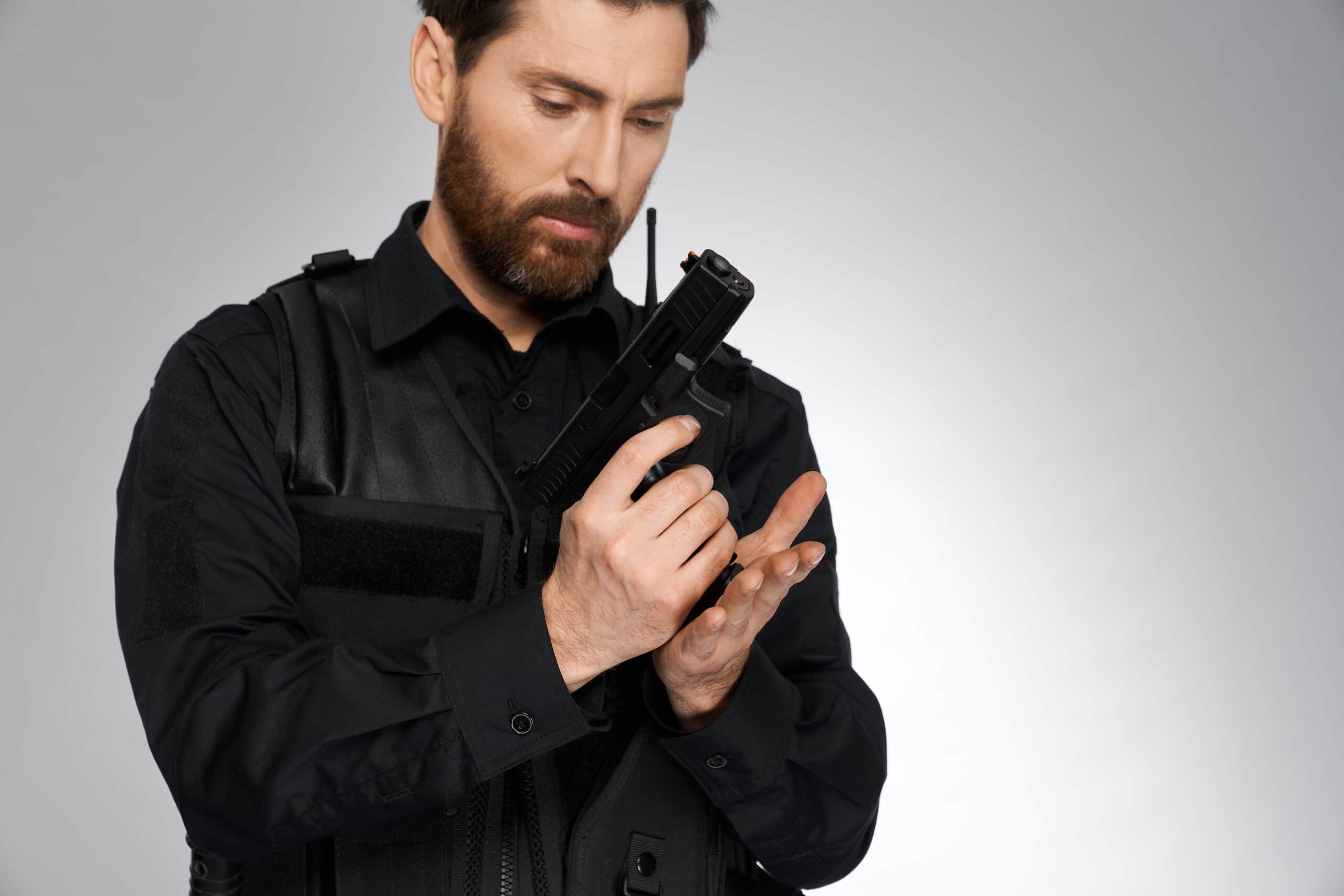
This rule is the cornerstone of firearm safety. Even if you are certain that a gun is unloaded, always act as though it is loaded. When you pick up a firearm, check its status immediately and confirm it is safe. Develop this habit until it becomes automatic.
Many accidental shootings occur because someone assumed a gun was unloaded. Complacency can lead to tragedy in a split second. By treating every firearm as if it is ready to fire, you create a mindset of constant awareness and discipline.
Practical applications of Rule #1:
- Always open the action and visually and physically inspect the chamber when handling a firearm.
- Never rely on someone else’s word that the gun is unloaded. Verify it yourself.
- Keep firearms stored securely, with ammunition separated when appropriate, especially in homes with children or guests.
When everyone treats every gun as loaded, even minor mistakes are caught before they become deadly.
Rule #2: Never Point the Muzzle at Anything You Are Not Willing to Destroy
The direction of the muzzle determines the potential consequence of a negligent discharge. This second rule reinforces the concept of muzzle discipline — the practice of always being aware of where your gun is pointed and ensuring it never covers anything you do not intend to shoot.
Every bullet that leaves a firearm is permanent and irreversible. A moment of carelessness can change a life forever. Keeping the muzzle in a safe direction ensures that even if the gun were to fire unintentionally, no one would be harmed.
To practice good muzzle discipline:
- When at home or on the range, identify safe directions such as a berm, backstop, or the ground at a downward angle.
- Never allow the muzzle to sweep across another person, even instantly.
- Keep the firearm pointed safely while loading, unloading, or cleaning.
Good shooters maintain constant awareness of their muzzle direction. It is a mark of professionalism and respect for those around you.
Rule #3: Keep Your Finger Off the Trigger Until You Are Ready to Shoot
This rule prevents most accidental discharges. The human hand naturally rests on the trigger, especially under stress or excitement. However, a responsible shooter maintains trigger discipline at all times.
The correct position for your trigger finger is along the frame or receiver, outside the trigger guard, until you consciously decide to fire. Only when your sights are on the target and you are ready to shoot should your finger move to the trigger.
Many unintentional discharges occur because of startle reactions, loss of balance, or misjudging readiness. Developing the habit of keeping your finger indexed outside the trigger guard ensures that no shot can happen until you decide it will.
Reinforce this habit by:
- Practicing dry fire drills with your finger off the trigger until the final moment.
- Watch your finger position when drawing from a holster or handling a firearm.
- Teaching new shooters to mimic this technique from their very first lesson.
Trigger discipline is a simple yet powerful safeguard. It gives you control over every shot you take and avoid.
Rule #4: Be Sure of Your Target and What Is Beyond It
Every bullet fired has a destination. Once a round leaves the barrel, you cannot take it back. Rule #4 reminds shooters to identify their target, what is around it, and what lies beyond it before pressing the trigger.
This rule is especially vital for self-defense, hunting, and range shooting. Bullets can travel long distances and penetrate through materials, meaning missing your intended target can have unintended consequences.
Always confirm:
- What your target is — never shoot at sound, shape, or movement alone.
- What lies beyond your target — people, homes, vehicles, or livestock could be at risk.
- What is between you and your target — ensure your line of fire is clear.
At the range, this means waiting for a clear line before shooting. It means being aware of terrain, structures, and other hunters in the field. Responsible gun owners think before they fire, ensuring that every shot taken is both safe and intentional.
Why These Four Rules Matter Together
Each of the Four Universal Rules works in harmony. If one rule is broken, the others still provide a safety net. For example, no harm occurs if you accidentally pull the trigger (violating Rule #3), but your muzzle is pointed in a safe direction (Rule #2). However, when multiple rules are ignored, the risk multiplies.
These rules are not suggestions; they are essential habits that protect lives. Every training program, from introductory concealed carry courses to military and law enforcement academies, emphasizes these principles because they are proven to work. They are the foundation of every safe shot ever fired.
Going Beyond the Basics: Building a Culture of Safety
Firearm safety does not end with these four rules. Responsible ownership also means continuous learning, proper maintenance, and secure storage. Attend local gun safety courses, practice regularly at certified ranges, and store firearms using safes, locks, or biometric devices.
Parents who own guns should educate their families about safety, not hide it from them. Children who understand that firearms are not toys are far less likely to handle them irresponsibly.Many states offer voluntary safety programs and certifications, often in partnership with organizations like the National Rifle Association (NRA) or Project ChildSafe. These organizations provide free safety kits and educational materials for gun owners. Engaging with these resources demonstrates a true commitment to the values of responsible firearm ownership.
A Final Word: Safety Is Everyone’s Responsibility
Firearms can be used for sport, protection, or recreation, but they always demand respect. The Four Universal Rules of Gun Safety are not just guidelines; they are a way of life for those who own and carry a firearm in the United States.
When you follow these rules, you do more than protect yourself. You protect your family, your community, and the reputation of responsible gun owners nationwide.
Remember:
- Treat every gun as if it is always loaded.
- Never point the muzzle at anything you are not willing to destroy.
- Keep your finger off the trigger until you are ready to shoot.
- Be sure of your target and what is beyond it.
These four rules are simple, timeless, and life-saving. Whether at the range, field, or home, practicing them consistently ensures that the right to bear arms remains rooted in responsibility, discipline, and respect.