
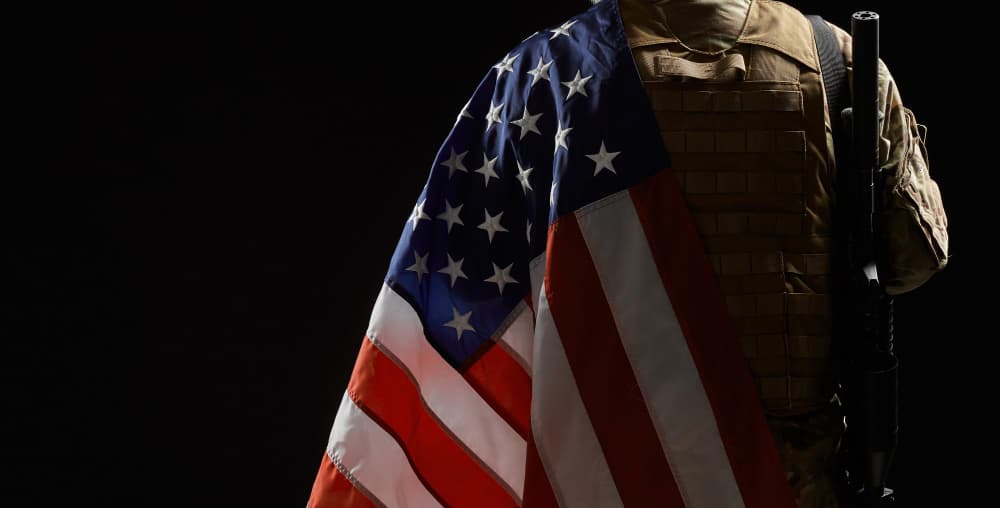
Exploring the moral, legal, and civic responsibilities of the Second Amendment.
Few rights in American history have inspired as much pride, passion, and debate as the Second Amendment. For millions of citizens, the right to keep and bear arms represents freedom, self-reliance, and protection against tyranny. Yet, alongside this constitutional right lies an equally vital duty — the responsibility to exercise it wisely, safely, and with respect for others.
Being a gun owner in America is not only about possessing a firearm. It is about understanding the moral, legal, and civic obligations that accompany this powerful right. The responsible gun owner stands as a guardian and example, ensuring that the right to bear arms endures through safety, education, and integrity.
The Foundation: Understanding the Second Amendment
The Second Amendment, ratified in 1791, states:
“A well-regulated Militia, being necessary to the security of a free State, the right of the people to keep and bear Arms shall not be infringed.”
While much debate surrounds its interpretation, one truth remains clear: the Founding Fathers recognized that the ability to defend oneself and one’s nation is a cornerstone of liberty. However, they also assumed, though perhaps unstated, that such a right must be coupled with wisdom, responsibility, and restraint.Firearms were once essential tools for survival: for hunting, protection, and the defense of a fledgling nation. Today, while technology and society have changed, the moral weight of owning a firearm remains just as heavy. Modern gun ownership calls for not only technical skill but also ethical awareness and a deep respect for the potential consequences of misuse.
The Moral Responsibility of Gun Ownership
Every firearm carries the power to protect or to harm. The difference lies in the mindset and choices of the person holding it. Moral responsibility means acknowledging that owning a gun is not just a right, but a commitment to life, safety, and accountability.
Responsible gun owners understand that firearms are not symbols of aggression or dominance — they are tools that demand control, patience, and humility. Proper gun handling begins with education and continues through consistent training and awareness.
To embrace the moral responsibility of ownership:
- Respect life above all else. A gun should never be used recklessly or in anger.
- Seek education before action. Learn how to safely store, handle, and use your firearm before you ever need it.
- Recognize your influence. As a gun owner, you set an example for others, especially younger generations, learning what gun ownership means.
Owning a gun is not about asserting power; it is about being prepared, disciplined, and compassionate. True responsibility begins in the heart and is reflected in every action a gun owner takes.
The Legal Responsibilities Every Gun Owner Must Know
The right to own a firearm does not exist in isolation. It functions within a framework of laws and regulations designed to ensure public safety. Every gun owner in America must understand and respect these laws, which vary by state and jurisdiction.
Some of the key areas of legal responsibility include:
- Background checks and eligibility: Federal law prohibits specific individuals — such as convicted felons or those with restraining orders — from owning firearms. Always ensure that your purchase complies with federal and state regulations.
- Safe storage requirements: Many states now require firearms to be stored securely, especially in homes with minors. This may involve using gun safes, lock boxes, or trigger locks.
- Concealed carry and open carry laws: These vary significantly between states. Knowing where and how to carry your firearm legally is essential to avoiding serious penalties.
- Use of force laws: Understanding when you can legally use your firearm for self-defense is critical. The concepts of “reasonable force” and the “duty to retreat” differ from state to state.
Legal awareness is not optional — it is part of the social contract that allows responsible gun ownership to exist in harmony with community safety. A law-abiding gun owner protects themselves and upholds the reputation of millions of others who respect the law.
The Civic Responsibility: Gun Owners as Protectors of Liberty and Safety
Beyond personal and legal duties lies another layer — civic responsibility. The Second Amendment is a collective right that endures only when exercised responsibly by individuals. Each gun owner contributes to the broader image of the firearm community in America.
Civic responsibility means participating in a safety, education, and respect culture. It means voting for policies that protect constitutional rights and public safety, and supporting organizations that teach responsible use rather than promote fear or division.
Ways to practice civic responsibility include:
- Promoting firearm safety courses and encouraging others to attend.
- Supporting community outreach programs that teach youth about gun respect and awareness.
- Advocating for mental health resources to prevent tragedies linked to misuse or neglect.
- Being an informed voter who supports legislation that strengthens responsible ownership without infringing on fundamental rights.
Responsible gun owners act as ambassadors for the Second Amendment. Through their conduct, they demonstrate that freedom and responsibility are inseparable.
Bridging the Divide: Education and Empathy
Gun ownership has become a deeply divisive topic in American culture, often politicized and misunderstood. Yet, at its core, the conversation should not be about left or right — it should be about right and wrong. Education, not argument, preserves the balance between liberty and safety.
When gun owners engage respectfully with non-gun owners, and vice versa, understanding replaces fear. Public trust grows when communities see that responsible ownership means responsibility first, and weaponry second. The goal is not to win debates but to create a culture of mutual respect and safety awareness.
Gun safety classes, shooting sports, and community events can help bridge gaps and replace misconceptions with knowledge. America thrives when citizens take the time to understand each other’s perspectives and find common ground rooted in safety and respect for life.
The True Meaning of the Right to Bear Arms
The Second Amendment is not only a political principle. It is a personal responsibility passed from generation to generation. It reminds Americans that freedom requires vigilance, and that every right carries a duty.
To be a gun owner in America is to uphold three truths:
- Freedom is earned and preserved through responsibility.
- Ownership demands knowledge, safety, and restraint.
- Respect for life must guide every action with a firearm.
When citizens live by these values, the right to bear arms remains a symbol not of division but of unity and trust. It represents a bond between individuals and the nation — a promise that freedom will be used wisely and never taken for granted.
The Weight of the Right
The American right to bear arms is one of the most defining freedoms in the world. Yet, with that freedom comes immense responsibility. Owning a firearm carries the potential to defend, protect, and preserve life, but also the potential to harm if carelessly handled.
Actual gun ownership is not about possession. It is about purpose. It is about the awareness that this right was earned through sacrifice and must be safeguarded through wisdom, integrity, and moral conviction.
When every gun owner in America commits to this standard, the Second Amendment does not stand as a source of fear but as a testament to balance — the harmony between freedom and responsibility that defines the very heart of the American spirit.